
“Through play therapy, children learn to accept themselves, regulate their emotions, and develop responsibility for their behaviours.”
— Garry L. Landreth
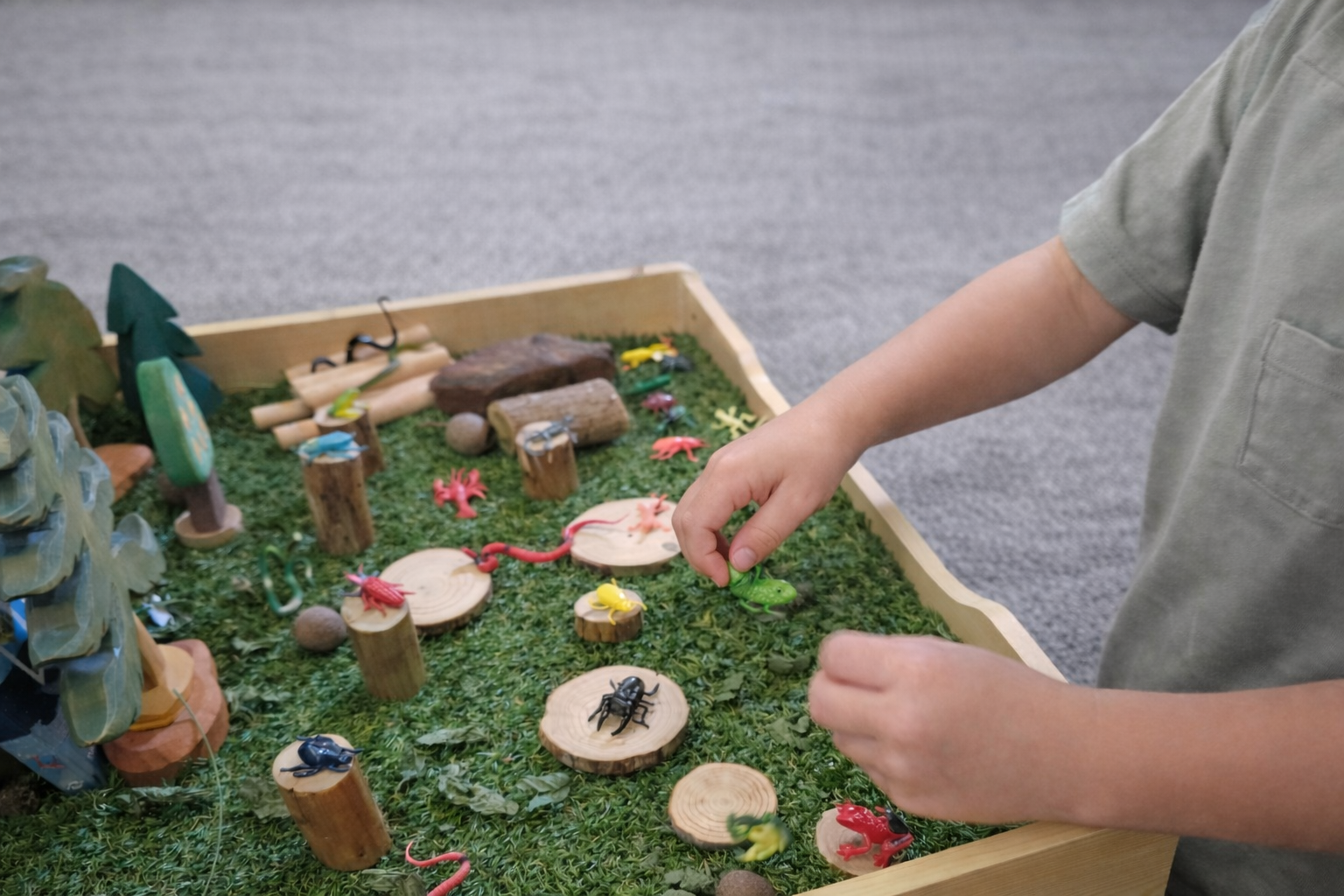
Understanding Play Therapy
Play therapy is an evidence-based therapeutic approach that supports children’s emotional, social, and psychological wellbeing through the natural language of play.
Children do not always have the words to explain how they feel or what they have experienced. Play therapy recognises that play is how children communicate, make sense of their world, and process emotions. Through play, children are able to express feelings, explore experiences, and build understanding in a way that feels safe and developmentally appropriate.
At Canopy Children’s Therapy, play therapy is offered in a child-centred, neuro-affirming and trauma-informed way, supporting children and caregivers across Geelong and surrounding areas.
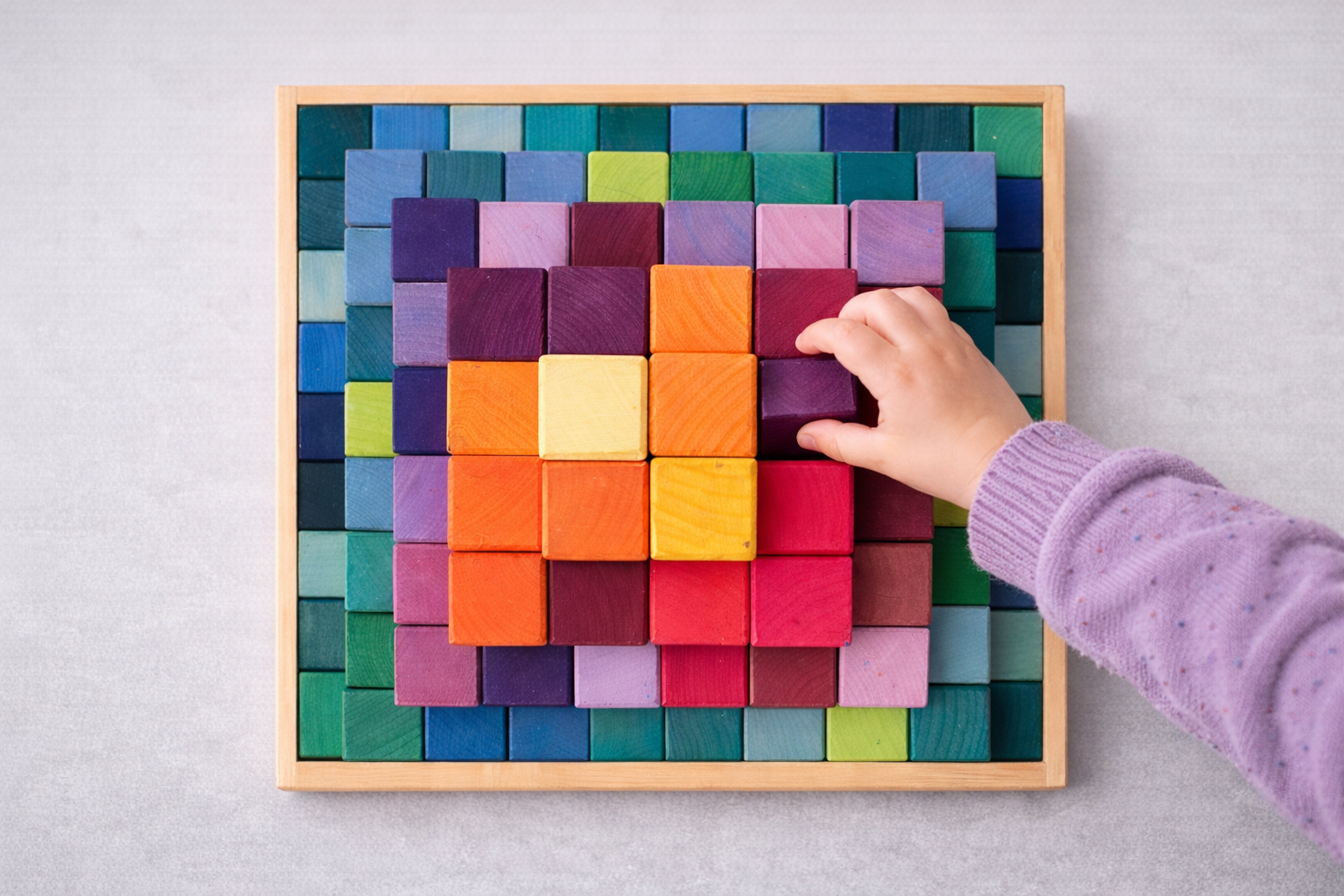
What Happens in a Play Therapy Session?
In play therapy sessions, children are invited into a carefully prepared play space with a range of therapeutic toys and materials. These may include creative, imaginative, sensory, and expressive play options.
The therapist follows the child’s lead, offering empathy, acceptance, and emotional attunement, while maintaining clear and consistent boundaries. Over time, this creates a safe therapeutic relationship where children feel understood and supported to explore their inner world.
Each session is guided by the child’s needs, pace, and readiness.
How Does Play Therapy Help Children?
Play therapy supports children to:
Express emotions they may not yet have words for
Develop emotional awareness and regulation
Build confidence, self-esteem, and resilience
Process difficult experiences or transitions
Strengthen their sense of safety, agency, and identity
Develop healthier ways of relating to others
Rather than focusing on changing behaviour alone, play therapy supports the underlying emotional needs that drive behaviour.
Who Is Play Therapy For?
Play therapy can support children who may be experiencing:
Anxiety, worries, or big emotions
Behavioural challenges or emotional withdrawal
Trauma responses or stressful life experiences
Medical fear or medical trauma
Neurodivergence, including ADHD, autism, OCD and PDA
Family changes such as separation, divorce, or changes in caregiving
Grief, loss, or significant transitions
Social or emotional difficulties
Low confidence, self-esteem, or mood concerns
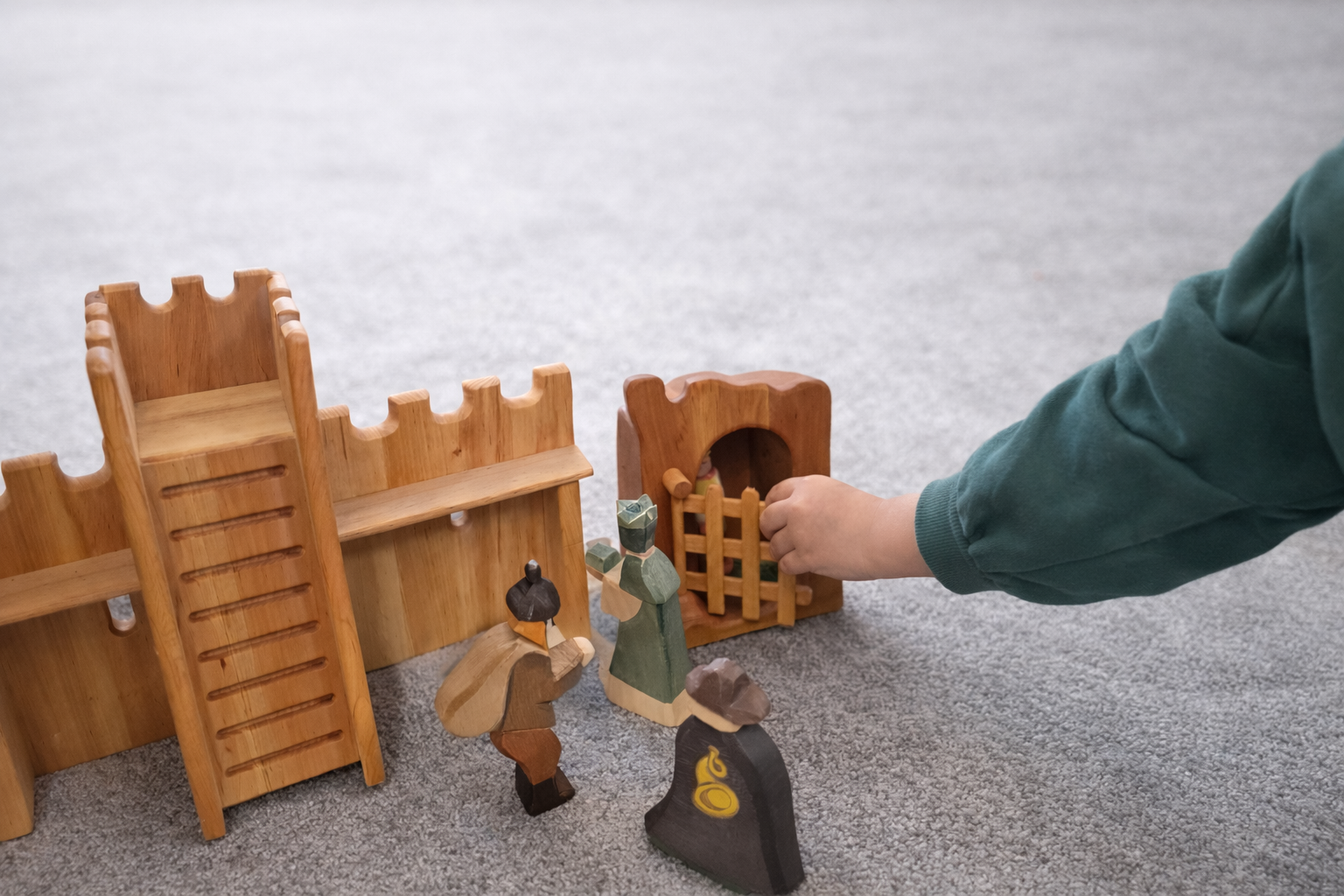
Is Play Therapy Evidence-Based?
Yes. Play therapy is a well-established and research-supported approach used internationally by trained mental health professionals.
Research demonstrates that play therapy can be effective in supporting children’s emotional regulation, reducing anxiety, processing trauma, and improving social and emotional functioning when delivered consistently within a safe and trusting therapeutic relationship.
Play Therapy in Geelong
Canopy Children’s Therapy provides child-centred play therapy in Geelong, supporting children and families with warmth, respect, and care. Each child’s therapeutic journey is unique and honoured.
Ready to Learn More?
If you would like to explore whether play therapy is right for your child, you are welcome to make an enquiry using the contact form. Parents and caregivers are welcome to self-refer.